This is easy, it's not like those photos where you stare at a bunch of static until you see a clown riding a dinosaur jump out at you!
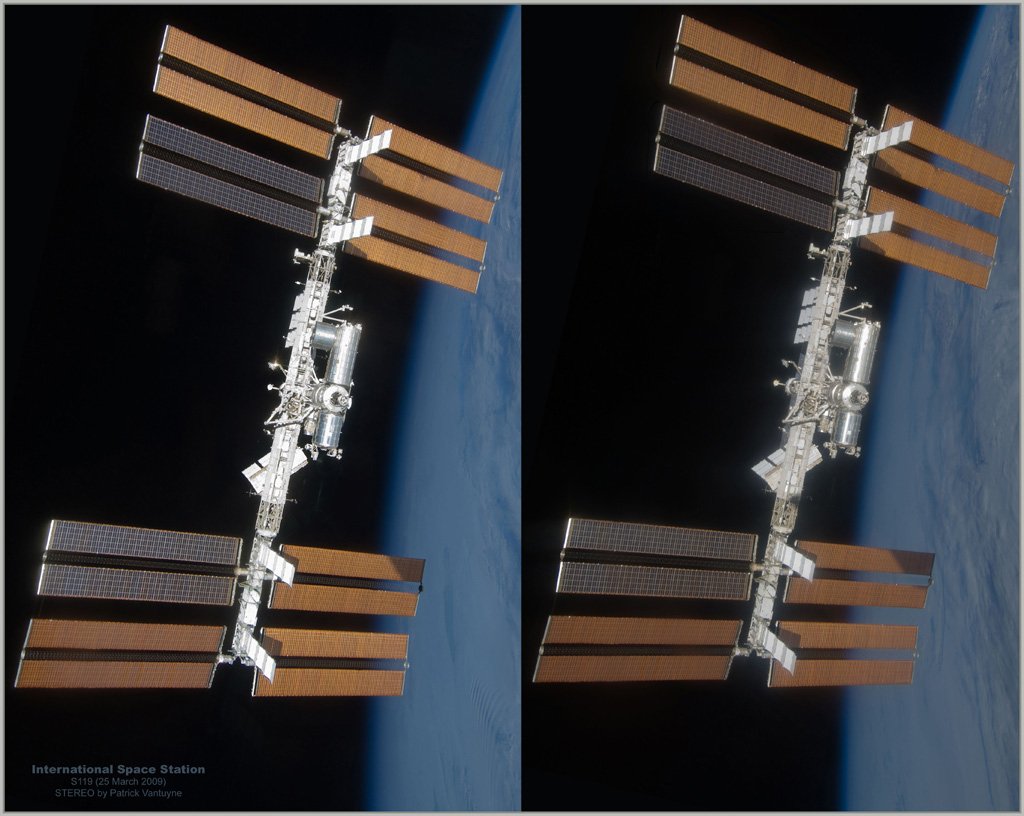
 Colbert" toilet!
 n space. Three on the ISS, three (including our friend Charles Simonyi) on board the Soyuz, and 7 in the shuttle which will land sometime Saturday. I'd have t look it up, but I'm not sure if this is a record amount of humanity in orbit.
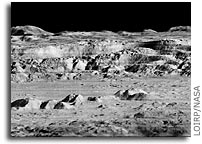
According to Wikipedia: "In 1966 the crater was photographed from an oblique angle by Lunar Orbiter 2 as one of 12 "housekeeping" pictures that were taken to advance the roll of film between possible astronaut landing sites being surveyed. At the time this detailed image of the lunar surface was termed by NASA Scientist Martin Swetnick and subsequently quoted by Time magazine as "one of the great pictures of the century."
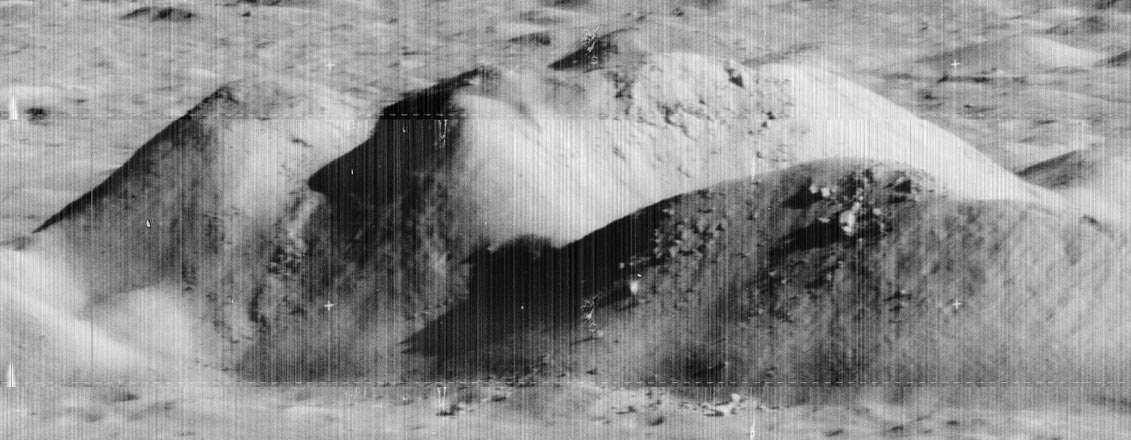
 Here on Earth we celebrate the equinox by the fact that the long winter nights are now the same length as the days, the controversial practice of balance eggs on the pointy ends is performed, and here in Seattle we know that maybe someday in the next two months it might be spring.
 transparency, the sky was pretty stable for a change. Saturn looked very sharp, so I had to hook up my $30 Ebay webcam and try a few shots of it. I still have some processing to play with, but here is an early photo. I'm using the new Registax 5 that was just officially released yesterday. I'll have to read some tutorials so I can use it well and get some decent images.
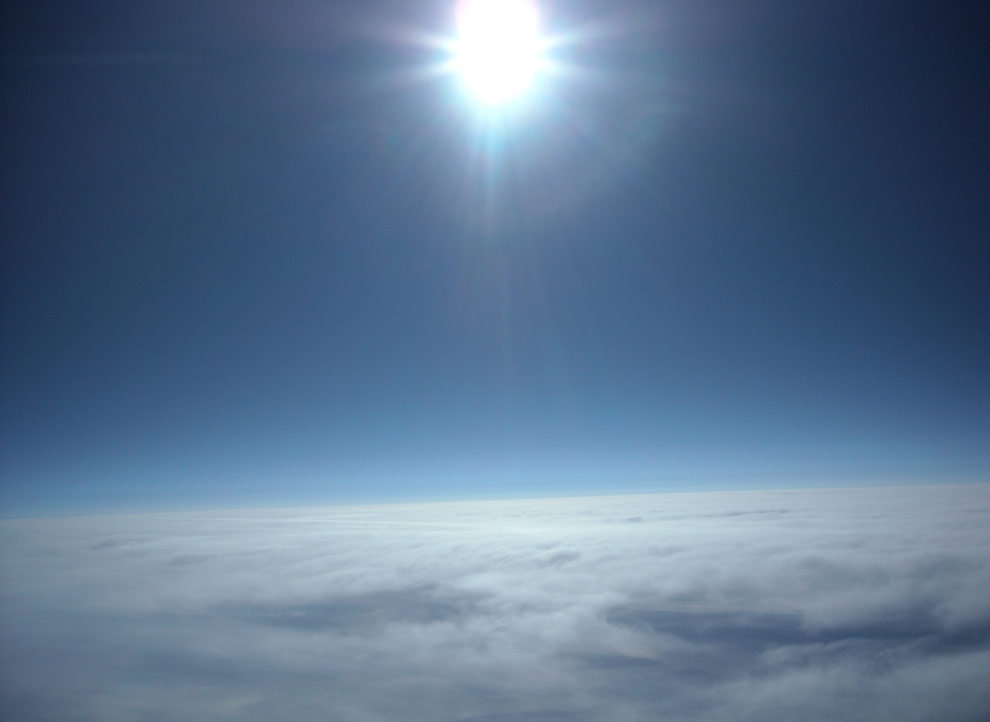 It was pretty cool when I was in Jr. High School that there was an actual rocketry class that I took. Yes, I did get an A+ in the class. Duh!
 When STS-119 launched on Sunday it flew on the 100th set of SRB rockets flown since Challenger was taken out by one of them. Here is some interesting trivia on the flights that each of the segments has flown on:
 on a few other blog sites, but it's such a nice photo I have to add it to mine also. Titan, Dione, Mimas and Enceladus crossing the face of Saturn seen from the Hubble. Be sure to view the full size image and the video, definately worth a bit of bandwidth for the download.
 Seems that Sunday's launch of STS-119 had one extra crew member. Since seating was full on board, the extra crew member now known as "bat-ronaut" rode outside on the external tank. He must have been a later addition to the crew since he doesn't appear to be wearing an official mission patch on his sleeve.
 y awaiting his trip to space. It's always a long wait for launch and relaxed astronauts have been known to fall asleep while waiting. He was one of those pretending to be a
  veteran astronaut so nervousness wouldn't give him away as a stowaway.
 I haven't used Twitter, but it has been kind of useful for passing quick info and photos around. Recently, passengers used it while landing in the Hudson with Captain Sully at the controls of the Airbus glider. Now there is an almost instant view of yesterday's shuttle launch from many different locations in and above Florida.